Article: What is LOLER and do you need training?
What is LOLER and do you need training?
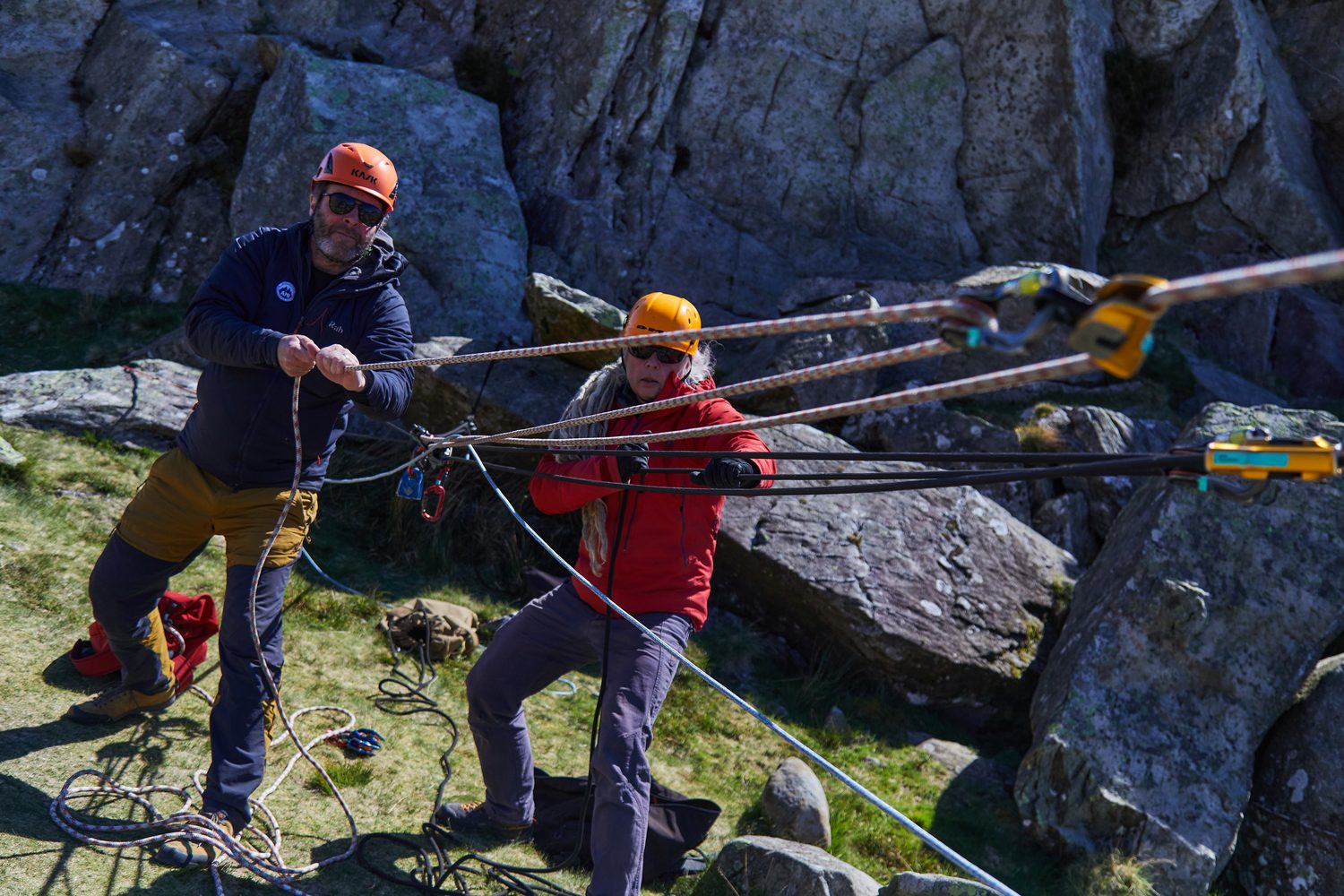
For organisations operating in rope access, working at height, and mountain rescue, lifting equipment is not an occasional consideration – it is fundamental to everyday work. Whether teams are using rope systems, constructing haulage with mechanical advantage, using stretchers for casualty evacuation, or conducting technical rescues on ropes in challenging terrain, the safe use of lifting equipment is absolutely critical.
Compliance with LOLER is therefore not simply a legal requirement. It is a core part of maintaining operational integrity, ensuring team safety, and managing organisational risk. In high‑risk, specialist environments, the consequences of misunderstanding or misapplying the regulations can be severe.
This blog explains what LOLER is, outlines what a LOLER inspection involves, and provides clarity on the LOLER training requirements that apply specifically to rope access, working at height, and mountain rescue organisations.
What Is LOLER?
LOLER stands for the Lifting Operations and Lifting Equipment Regulations 1998. These regulations apply to any lifting equipment used at work, including equipment used to lift, lower, suspend, or support people, loads, or casualties.
The purpose of LOLER is to ensure that all lifting operations are:
- Properly planned
- Appropriately supervised
- Carried out by competent people
- Undertaken using equipment that is safe and suitable
For rope access technicians, rescue teams, and mountain rescue organisations, LOLER is particularly relevant because:
- People are routinely suspended on ropes and associated systems
- Loads are lifted and lowered in unpredictable, dynamic environments
- Equipment is often exposed to harsh weather, terrain, and repeated loading
- Failure of lifting equipment may result in serious injury or fatal consequences
LOLER works alongside other health and safety legislation – most notably the Work at Height Regulations 2005 and the Provision and Use of Work Equipment Regulations (PUWER) – but it places additional, specific duties on equipment and systems used for lifting.
How does LOLER apply to Rope Access and Rescue Equipment?
LOLER applies where equipment is used to lift, lower, suspend, or support a person or a load as part of a work activity. In rope access and rescue environments, this threshold is met frequently due to the nature of the work being carried out.
Crucially, LOLER applies based on how the equipment is used, not how it is commonly categorised. As a result, equipment that is traditionally regarded as personal protective equipment can also fall under LOLER when it forms part of a lifting operation.
In rope access and rescue organisations, equipment commonly subject to LOLER includes:
Ropes used within lifting, lowering, or hauling systems
- Harnesses used for rescue, suspension, or casualty support
- Descenders, pulleys, and mechanical advantage systems
- Stretchers and casualty hauling or evacuation equipment
- Anchors and anchor systems used within lifting arrangements
- Tripods, A‑frames, and davit arms
- Winches and dedicated rope rescue devices
Once Personal Protective Equipment (PPE) is incorporated into a lifting system – such as raising or lowering a person or casualty – LOLER requirements apply alongside PPE regulations. In practice, many rope access and rescue systems operate simultaneously as PPE systems and lifting systems, meaning compliance with both regulatory frameworks is required.
LOLER and PPE – A brief but important distinction
A common area of confusion in rope access and rescue equipment management is how LOLER relates to PPE regulations.
The PPE at Work Regulations apply to equipment worn or used to protect an individual from risk. This includes items such as harnesses, helmets, lanyards, connectors, and ropes used purely for personal suspension. PPE regulations focus on suitability, maintenance, inspection, and ensuring users are appropriately trained.
LOLER, by contrast, applies when that same equipment is used as part of a lifting system, rather than solely for protection. In rope access and rescue environments, the same piece of equipment may fall under PPE regulations in one context and LOLER in another – depending entirely on how it is used.
In practice, most rope access and rescue systems function as both PPE systems and lifting systems, meaning both sets of regulations apply simultaneously.
What is a LOLER inspection?
A LOLER inspection – formally known as a thorough examination – is a detailed, systematic examination carried out by a competent person. Its purpose is to determine whether lifting equipment remains safe to use and fit for continued service.
A thorough examination is more detailed than a routine or pre‑use inspection and must be formally recorded.
LOLER inspection intervals
Under LOLER, lifting equipment must be thoroughly examined at specific intervals:
- Every 6 months for equipment used to lift people
- Every 12 months for equipment used to lift loads only
At intervals specified within a written scheme of examination, where applicable
After exceptional circumstances, including:
- Shock loading
- Falls or dropped equipment
- Exposure to extreme or corrosive environments
- Modification, repair, or alteration
Given the environments and operational demands faced by rope access technicians and mountain rescue teams, these exceptional circumstances can occur and must be managed proactively.
Can PPE inspections also satisfy LOLER?
In many rope access and rescue organisations they can – provided they are structured correctly.
A formal PPE inspection can satisfy LOLER requirements if:
- The inspection interval meets LOLER requirements (typically 6 months)
- The inspector is competent under LOLER, not just PPE
- The inspection considers the equipment’s role in lifting, not just visible wear
- The inspection is formally recorded as a thorough examination
For this reason, many organisations operate combined PPE / LOLER inspection regimes. However, it is important to note that informal checks or basic PPE inspections do not automatically meet LOLER requirements
What does a LOLER thorough examination involve?
A LOLER thorough examination goes well beyond simple visual or pre‑use checks. It typically includes:
- Assessment of wear, corrosion, deformation, cuts, and abrasion
- Examination of textile and metallic components
- Evaluation of compatibility between components within lifting systems
- Inspection of ropes, terminations, connectors, and load‑bearing elements
- Verification of safe working loads, ratings, and equipment markings
- Consideration of degradation caused by UV exposure, dirt, moisture, chemicals, and repeated use
- Review of manufacturer guidance and retirement criteria
All findings must be formally documented, and any defects that pose a serious or imminent risk must be reported immediately so that the equipment can be removed from service.
Who is considered a competent person under LOLER?
Competence is especially critical where rope systems and rescue equipment are concerned.
A competent person under LOLER must have current and relevant competence including:
- In‑depth theoretical knowledge of lifting operations and rope systems
- Up-to-date practical experience with the specific equipment being examined
- Understanding of relevant standards (such as EN, UIAA, and manufacturer requirements)
- The ability to accurately assess defects and determine their significance
- Sufficient independence to make unbiased safety decisions
The competent person may be an independent inspector or a trained in‑house examiner – provided they can demonstrate that their knowledge, experience and practical skills are maintained and current and that they genuinely meet all competence criteria.
Do rope access and Rescue organisations need LOLER training?
In short – yes, at multiple levels.
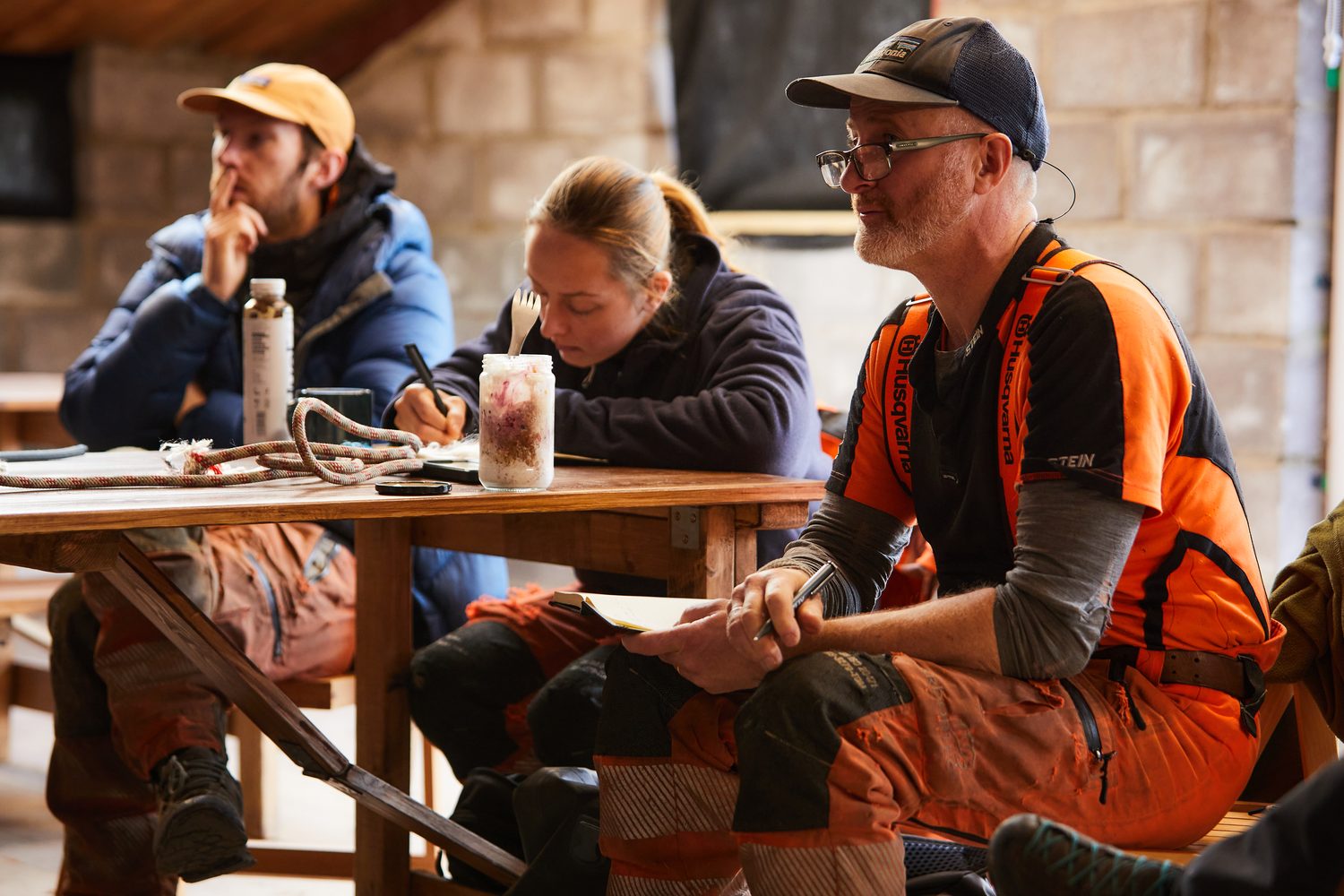
Operators require safe use and inspection training
Supervisors and managers must understand their legal responsibilities
Inspectors require specialist LOLER inspection training and experience
A clear understanding of what is a LOLER inspection and how to meet the LOLER training requirements is essential for safe, defensible operations in rope access and rescue environments.
What are the LOLER training requirements?
The LOLER training requirements vary depending on the role an individual performs within an organisation.
Operators and Technicians
Rope access technicians and rescue team members must be trained in:
- The safe use of lifting and rescue equipment
- Load limits, system configuration, and correct rigging
- Pre‑use checks and routine in‑service inspections
- Recognising wear, damage, and fault conditions
Although this training is not always described as “LOLER training”, it must clearly support the safe use requirements set out under LOLER.
Team Leaders, Supervisors & Managers
Those responsible for planning, organising, or overseeing operations must understand:
- When LOLER applies and how it differs from PPE regulations
- Inspection intervals and legal expectations
- Documentation, reporting, and record‑keeping obligations
- What constitutes a competent person
Without this knowledge, compliance gaps can easily arise – often without being recognised until after an incident.
Equipment Inspectors
Where inspections are carried out in‑house, formal training is essential. LOLER inspection training typically covers:
- The legal framework and regulatory responsibilities
- Rope and textile degradation mechanisms
- Identification of visible and hidden defects
- Assessment of entire lifting systems, not just individual components
- Defect classification, reporting, and record keeping
Training alone does not confer competence; experience, currency, confidence and independence are equally important.
Record keeping for rope access & rescue teams
LOLER places strong emphasis on documentation. Organisations must maintain accurate, retrievable records, including:
- Thorough examination reports
- Evidence of corrective or remedial actions
- Inspection schedules
- Written schemes of examination, where used
These records are vital during HSE inspections, insurance reviews, and post‑incident investigations.
Consequences of non‑compliance
Failure to comply with LOLER can result in:
- Enforcement action by the HSE
- Prosecution and significant fines
- Loss or invalidation of insurance cover
- Reputational damage
- Increased risk to technicians, rescuers, and casualties
In high‑risk environments, weaknesses in compliance often only become visible after a serious incident has already occurred.
Final thoughts
LOLER is not a box‑ticking exercise. It is a critical safety framework for organisations that routinely suspend people and loads in difficult, remote, and high‑risk conditions. For rope access providers and mountain rescue organisations, effective LOLER compliance underpins professional credibility, legal defensibility, and – most importantly – saves lives.
If your organisation relies on rope‑based lifting systems and you are unsure whether your inspections, training, or documentation fully meet LOLER requirements, it may be time for a comprehensive and informed review.